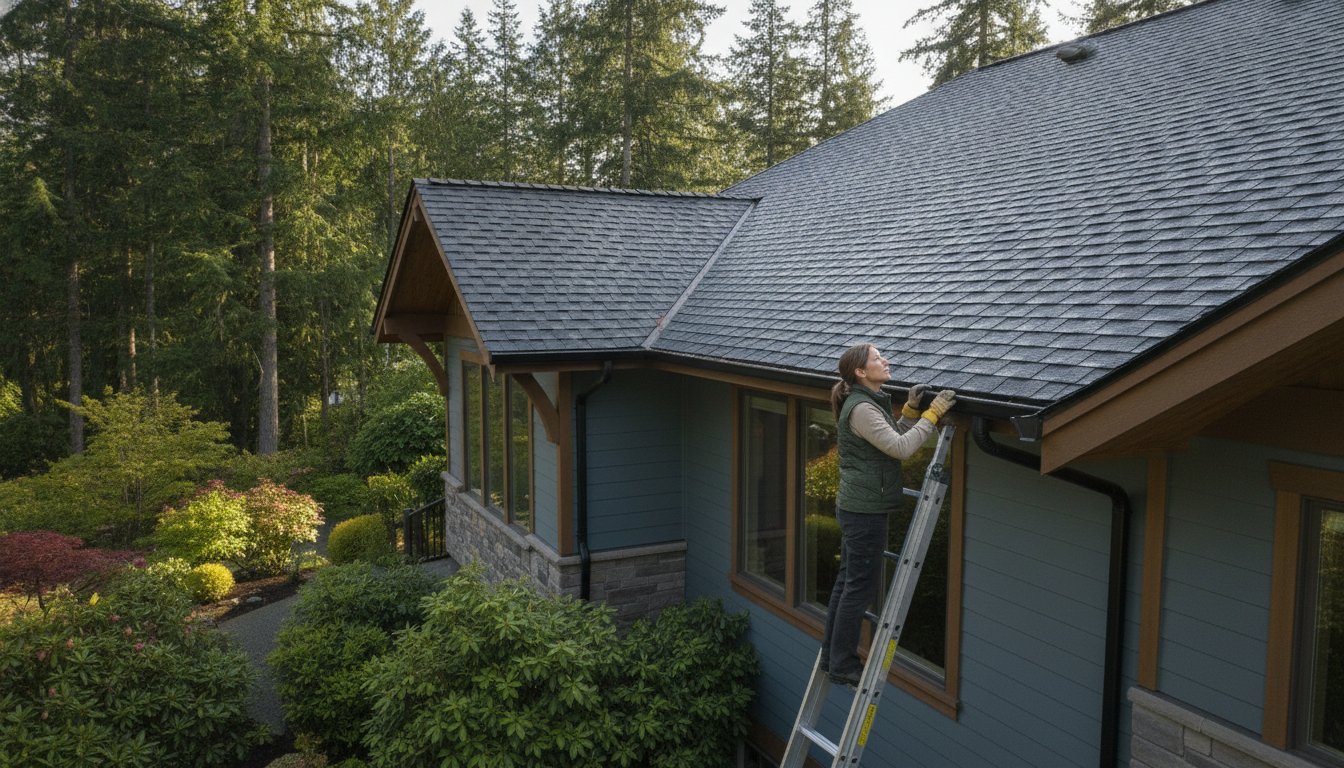
Would you spend thousands on a new vehicle and then skip every oil change? Your new roof is a significant Pacific Northwest investment, yet many homeowners believe a fresh installation is "set it and forget it." In our notoriously damp climate, even the best materials face immediate threats from moss, heavy debris, and relentless rain. You need a reliable post-storm roof inspection checklist to ensure small issues don't turn into expensive disasters that could void your 25-year warranty. Protecting your home starts with knowing exactly what to look for after the clouds clear.
We understand the pressure of maintaining a perfect home while navigating the July 2026 Washington Homeowner Recovery Program updates and shifting insurance requirements. You deserve total peace of mind and financial clarity. This guide promises to give you the exact tools you need to preserve your roof's lifespan and keep your coverage secure. We will preview the essential signs of damage, provide a seasonal maintenance schedule, and show you how to handle PNW moss before it takes hold. Get ready to gain the confidence that your investment is fully protected, no matter what the weather brings.
Key Takeaways
- Understand why even a brand-new roof requires immediate care to combat the Pacific Northwest's unique environmental stressors.
- Learn the essential steps for a first-month walkthrough, including how to spot construction debris and manage initial shingle granule loss.
- Gain access to a reliable post-storm roof inspection checklist and seasonal schedule designed specifically for Washington's heavy rain and moss growth.
- Discover how simple documentation can protect your extensive manufacturer warranty and increase your home's total market value.
- Identify the clear signs that indicate it’s time to call in expert support for a professional check-up or specialized roofing care.
Why Your New Roof Needs a Maintenance Checklist (Even in Year One)
Many homeowners fall into the trap of the "New Roof Myth." They believe that because their shingles are fresh, they don't need to look at them for a decade. This is a dangerous assumption. While a quality roof replacement sets a rock-solid foundation for your home, it's not a "set it and forget it" solution. In reality, the first year is critical for identifying how your home settles. You need to see how the materials react to our specific local weather patterns. Neglecting these early checks can lead to premature wear that your warranty won't cover.
Think of your roof as a complex shield. Even the strongest shields need a quick check after a battle. In the Pacific Northwest, our "battles" are constant rain and high-velocity winds. Using a post-storm roof inspection checklist helps you spot minor issues before they compromise the entire roof structure and materials. This proactive approach protects your financial investment for the next 30 years. It ensures you get every penny of value from your installation. Small checks today prevent massive repair bills tomorrow.
Understanding the PNW Weather Factor
Living in Marysville or Seattle means dealing with more than just a little drizzle. Our heavy, sustained rainfall puts immense pressure on your drainage systems. If gutters are slightly misaligned after a new installation, water can back up under fresh shingles. Our high humidity also creates a breeding ground for moss and algae. These organisms can take root much faster than most homeowners expect. Wind storms across the Puget Sound area specifically test shingle adhesion. If a seal didn't fully cure during a cold snap, a strong gust can lift a shingle edge. This creates a hidden entry point for moisture.
The Legal Side: Warranty Preservation
Your 25-year or lifetime warranty is a contract, not a blank check. Most manufacturers require homeowners to perform and document annual maintenance to keep that coverage active. If you ignore your roof and a leak develops in year five, the manufacturer might deny your claim. They often look for proof that you followed a post-storm roof inspection checklist or cleared your gutters regularly. Common actions like using a pressure washer or walking on shingles improperly can also void your protection. Keeping a simple log acts as your legal proof of care. It makes future insurance or warranty claims much smoother. We are here to help you stay organized and protected from day one.
Post-Installation Walkthrough: The First 30 Days
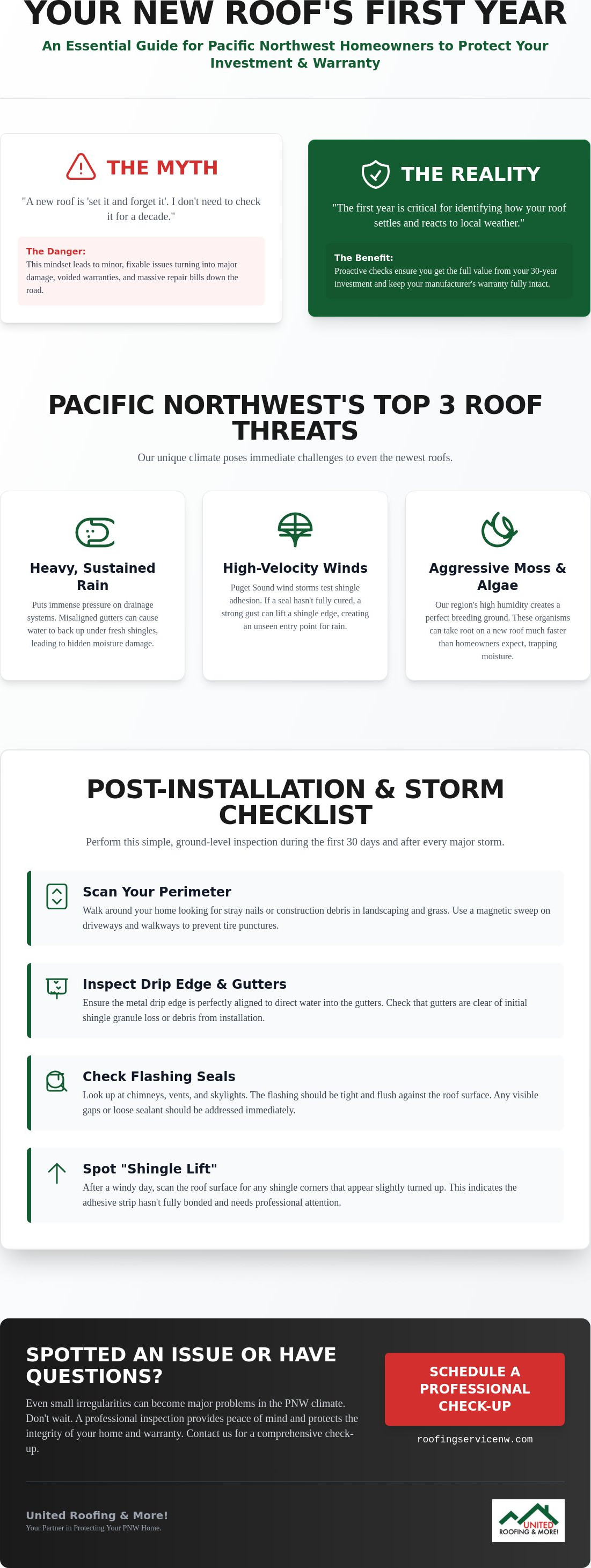
The first 30 days after your installation are a vital window for your home. This is when you verify that the craftsmanship stands up to the reality of Pacific Northwest wind and rain. You don't need to climb a ladder to perform this initial check. A thorough ground-level walkthrough, similar to a post-storm roof inspection checklist, is your first line of defense. Start by scanning the perimeter of your home. High-quality crews work hard to clean up, but stray nails or construction dust can sometimes linger in the grass or landscaping. Identifying these minor issues early keeps your property safe and your new system performing at its peak.
During this period, pay close attention to the roof drip edge. This component is the essential guard for Marysville homes. It must be perfectly aligned to direct water away from your fascia and into the gutters. You should also look up at your chimney and vents. The flashing should appear tight and flush against the roof surface. If you notice any gaps or loose sealant, it's better to address them now before the next big storm hits. Even the smallest opening can allow moisture to seep into your attic during a typical Puget Sound downpour. If you spot anything that looks irregular, scheduling professional roof repairs immediately can prevent a small gap from becoming a major leak.
The Ground-Level Inspection
Safety is the priority during your initial walkthrough. We recommend using a magnetic sweep across your yard and driveway. This simple tool picks up any metal debris that could harm pets or puncture tires. While you're out there, look for "shingle lift." This happens when a shingle hasn't fully bonded yet and catches the wind. You might see a corner slightly turned up or a shadow where it shouldn't be. Also, check the transition points where your roof meets the siding. These areas should be seamless with no visible gaps. Our local climate is unforgiving, so ensuring every edge is sealed tight is the only way to protect your long-term investment.
Gutter and Drainage Audit
Don't panic if you see a small amount of shingle granules in your gutters during the first month. This is a natural part of the "shedding" process for new asphalt shingles. However, excessive piles of sand-like material could indicate a manufacturing defect. Your post-storm roof inspection checklist should always include a quick look at your downspout exits. In Washington, we deal with massive volumes of water. Ensure your downspouts divert that runoff at least 5 feet away from your foundation. This prevents soil erosion and basement leaks. Look for "splash-back" on your siding or fascia. If water is bouncing back onto the wood, your gutters may need a slight pitch adjustment to handle the PNW flow. Keeping these lines clear ensures your new system functions exactly as designed.
The Seasonal Maintenance Schedule for Washington Homeowners
Maintaining a new roof in Washington requires a specific calendar. Our weather doesn't follow national averages; it follows the rhythm of the Puget Sound. You need a maintenance cycle that anticipates the unique stressors of our region. While your roof is new, establishing these habits now ensures you never face a surprise leak during a November downpour. Proactive care is the only way to guarantee your post-storm roof inspection checklist remains short and manageable over the next three decades.
Spring is your time for recovery. Once the heavy winter winds subside, clear out the branches and "helicopter" seeds that accumulate in your roof valleys. This is also the best time to check for any shingles that may have shifted during January gusts. Summer, though milder, brings its own risks. High temperatures can cause "blistering" if your attic ventilation is inadequate. Use the dry months to ensure your soffit vents are clear of insulation. Proper airflow keeps your shingles cool and prevents the internal heat damage that can lead to premature failure.
Fall: The High-Stakes Season
In Marysville and Seattle, fall is the most dangerous time for your drainage system. Pine needles are far more problematic than standard leaves. These needles are small and acidic; they weave together to create waterproof mats in your gutters. This debris forces water to back up under your shingle edges. Always clear your roof valleys first. Debris trapped there holds moisture against the surface, which can lead to rot in the most vulnerable sections of your home. Finally, check the rubber seals on your pipe boots. These often fail before the shingles do, and a quick inspection before the heavy rain starts can save you from a major attic headache.
Winter and Spring Readiness
Winter maintenance is about weight and ice management. If we experience a heavy snow event, use a soft roof rake to clear the first few feet of your eaves. Never use a metal shovel, as it will scar and damage new shingles. February is actually the ideal "Moss Prevention" window. Applying treatment during this cool, damp month stops moss spores before their spring growth spurt. While you are outside, keep an eye out for "critter entry." Squirrels and raccoons often seek the warmth of a new attic during cold snaps. Ensure your gable vent screens are secure so your new post-storm roof inspection checklist doesn't include repairing animal damage. Staying ahead of these seasonal shifts keeps your home dry and your warranty fully intact.
Protecting Your Roofing Warranty and Financial Investment
Your new roof is a major financial asset. It protects everything inside your home. To keep that protection strong, you must treat your roof like an investment that requires active management. Start a digital "Roof Health" folder today. Save your original installation contract, photos from your post-storm roof inspection checklist, and every receipt for professional maintenance. This documentation is your strongest weapon if a manufacturer ever questions a warranty claim. It provides undeniable proof that you've fulfilled your obligations as a homeowner.
A well-maintained roof also provides a significant return on investment. In the competitive Washington real estate market, a documented history of care directly increases home appraisal values. Buyers are willing to pay more for a home when they know the roof has been professionally managed. If a major storm causes unexpected damage that exceeds your immediate budget, don't wait for a leak to start. Flexible roofing financing options can bridge the gap. This ensures your home remains safe without draining your emergency savings. We believe in "Master Roofing" standards, which means looking beyond the surface to ensure every component works perfectly.
Professional Inspections vs. DIY
Safety is the most important factor when deciding between DIY checks and professional help. Pacific Northwest roofs often have steep pitches that are dangerous to navigate. You should calculate roof pitch before you ever consider stepping onto a ladder. Professionals bring more than just safety gear. We use advanced tools like thermal imaging to find moisture traps that a simple visual check misses. These tools identify hidden leaks before they show up on your ceiling. A professional eye catches the subtle signs of wear that most homeowners overlook.
Financial Planning for Long-Term Care
Smart homeowners set aside a small annual "Roof Fund." This fund covers professional cleanings and minor preventative roof repairs. It is much easier to manage a small yearly expense than a premature $20,000 replacement bill. Regular maintenance can extend the life of your shingles by a decade or more. At United Roofing & More!, we prioritize transparent pricing and clear dialogue. We want you to understand the "why" behind every recommendation. Our goal is to build long-term trust through honest assessments and high-quality results. If you want to ensure your investment is fully protected, contact us for a professional roof inspection today.
Professional Support: When to Call United Roofing & More!
Your personal observations are the first line of defense. However, professional support ensures that your investment remains bulletproof. We recommend a comprehensive professional check-up every two years for all new installations. This is the gold standard for homeowners who want to maximize their roof's lifespan. A professional eye identifies subtle settling issues that a standard post-storm roof inspection checklist might overlook. Our experts verify that every seal is holding and every shingle is performing exactly as intended. Early detection is the key to avoiding costly emergency roof repairs down the road.
You should never settle for "good enough" when it comes to your home's protection. If your seasonal checks reveal recurring moss growth or persistent gutter clogs, your maintenance needs have likely escalated. You need a team that adheres to master roofing standards. These standards involve precision techniques and high-value materials designed specifically for the Pacific Northwest. We focus on transparency and clear dialogue throughout every service. Our goal is to provide you with the facts you need to make informed decisions about your home's future.
Our Local Expertise in the Puget Sound
We are proud to serve Marysville, Renton, Everett, and the surrounding communities. Our team has deep experience with the specific shingle types used in our unique residential climate. We understand how local wind patterns and heavy rainfall impact different materials. This local knowledge is vital for accurate damage assessments. When a major weather event hits, we know exactly where to look for hidden vulnerabilities. We don't just inspect the surface; we evaluate the entire system to ensure your home stays dry and secure. Our community-oriented approach means we treat every roof as if it were our own.
Take the Next Step for Your Roof
Ready to secure your home's future? We make the process simple and stress-free. You can get a free estimate for maintenance or roofing services with just one call. We also provide flexible payment plans to ensure that essential care is always financially accessible. Our team is here to alleviate your stress by providing reliable, hardworking expertise. Don't wait for a small drip to become a major headache. We offer complimentary diagnostic services to keep you informed and protected. Contact United Roofing & More! today for total peace of mind and the professional support your new roof deserves.
Take Control of Your Roof's Future Today
Your new roof is more than just shingles; it's a 30-year commitment to your home's safety and structural integrity. By following a consistent post-storm roof inspection checklist and staying ahead of seasonal moss growth, you ensure your warranty remains valid and your property value grows. Remember that clear documentation is your best friend when it comes to long-term financial security. Small, proactive steps today prevent the stress of major leaks during the next Puget Sound winter.
United Roofing & More! has spent years serving homeowners throughout Marysville and Seattle. We understand the specific challenges of our local climate. Our team provides expert diagnostic services to catch hidden vulnerabilities before they become expensive disasters. If you ever face unexpected damage, our flexible financing options ensure you don't have to compromise on quality care. We are here to be your supportive partner in home maintenance.
Protect your investment with professional maintenance from United Roofing & More! today. You've done the hard work of installing a beautiful new roof. Now, let us help you keep it in peak condition for decades to come.
Frequently Asked Questions
How often should I clean the gutters on my new roof in Seattle?
You should clean your gutters at least twice a year, specifically in late spring and late fall. In Seattle, the heavy needle drop from evergreens means your drainage system faces constant pressure. If you have overhanging trees, you might need a quarterly check to prevent water from backing up under your new shingles. Keeping these lines clear ensures your home handles the massive volume of PNW rainfall without foundation damage.
Will walking on my new roof to clean it void the warranty?
Walking on your new roof can definitely void your manufacturer warranty if you cause scuffing or granule loss. Most warranties require professional care to remain valid because improper foot traffic damages the protective surface of the shingles. It is much safer to use a soft roof rake from the ground or hire a professional who uses specialized safety equipment. This protects both your physical safety and your long-term financial coverage.
Is it normal to see shingles losing granules right after installation?
Yes, it is perfectly normal to see a small amount of loose granules in your gutters during the first few weeks after a new installation. Manufacturers over-apply these protective granules during production, and the excess naturally sheds as the shingles settle. However, if you see large bald spots after the first month, you should consult your installer. Use a post-storm roof inspection checklist to monitor this shedding over time.
What is the best way to prevent moss growth on a new roof in the PNW?
The most effective way to prevent moss in our damp climate is through regular professional treatments or the installation of zinc strips at the ridge. These strips release a moss-inhibiting powder every time it rains, which happens frequently in the Puget Sound area. Avoid using high-pressure washers, as they strip away the protective granules. Consistent, low-impact maintenance is the key to keeping your new roof moss-free for decades.
How do I know if a roof leak is covered by my new roof warranty?
You can determine coverage by checking if the leak stems from a material defect or an installation error. Most new roofs have two warranties: one from the manufacturer for the shingles and one from the contractor for the labor. If the leak is caused by storm damage or lack of maintenance, it likely won't be covered. This is why keeping a documented post-storm roof inspection checklist is essential for proving proper care.
Can I install solar panels on my new roof without affecting the maintenance plan?
You can install solar panels, but you must coordinate with your roofing contractor to ensure the mounting brackets don't void your warranty. Improperly installed panels can create "hot spots" or trap debris that leads to rot. Your maintenance plan will need to include checking the areas around the panel mounts for debris accumulation. Always ensure the solar company uses flashing techniques that meet the high standards of your original installation.
What should I do if I find a stray nail in my yard after a roof replacement?
If you find a stray nail, use a magnetic sweep to check the rest of your yard for safety. While professional crews strive for a perfect cleanup, a few nails can occasionally hide in the grass or landscaping. It's a good idea to inform your contractor so they can perform a secondary sweep if needed. Ensuring your yard is clear protects your family and pets while maintaining the professional look of your property.
How much does professional roof maintenance typically cost in Marysville?
Professional maintenance costs in Marysville vary based on your roof's pitch, total square footage, and the amount of debris present. A simple gutter cleaning and visual inspection will be less expensive than a full moss treatment or minor repair service. We recommend requesting a free estimate to get an accurate figure for your specific home. Our team prioritizes transparent pricing to ensure you receive the best value for your investment.

